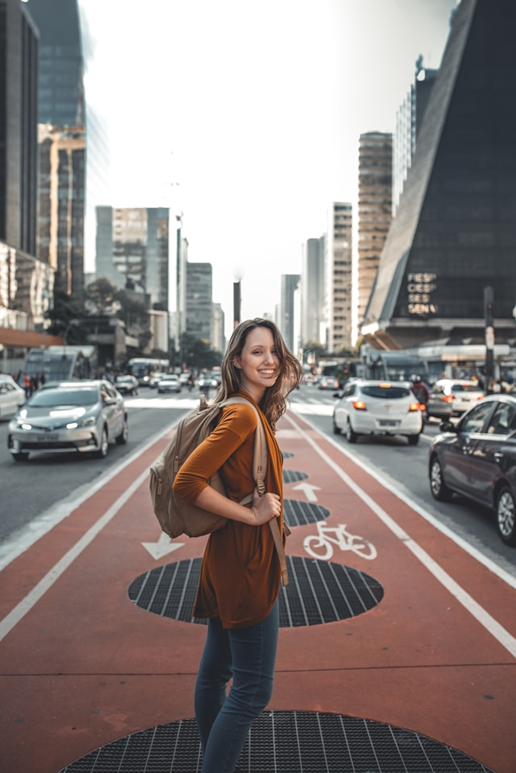
Summer break offers teachers something invaluable: the opportunity to step away from lesson plans, grading, meetings, and classroom routines to reconnect with the world outside school walls. While many educators use the season to rest and recharge, summer travel can also become a powerful source of inspiration that transforms the way teachers connect with students during the school year. From exploring historical landmarks to immersing themselves in new cultures, teachers often return from their travels with fresh ideas, broader perspectives, and meaningful stories that enrich classroom learning. In the following article, Valerie Simpson of Fresno discusses how personal travel experiences can create authentic classroom discussions that help students become more curious about the world around them.
Travel as a Real-World Classroom
One of the greatest benefits of summer travel is its ability to turn abstract concepts into real-world experiences. Students may struggle to fully engage with lessons that feel distant from their everyday lives. However, when teachers share firsthand stories, photographs, artifacts, or cultural experiences from their travels, learning suddenly becomes more tangible and relatable.
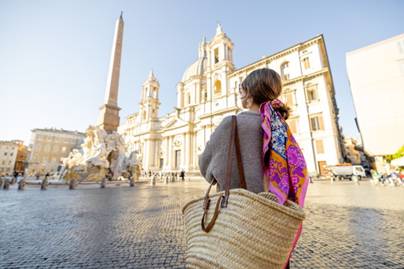
For example, a history teacher who visits ancient ruins in Greece or walks through the streets of Rome can provide students with vivid descriptions that go beyond what appears in a textbook. A science teacher hiking through Yellowstone National Park can explain geothermal activity with genuine enthusiasm after witnessing geysers erupt firsthand. Even English teachers can enrich literature lessons by discussing how visiting locations connected to famous authors or novels changed their understanding of a story.
Travel allows educators to move from simply teaching information to sharing lived experiences. Students often respond more positively when lessons are connected to personal narratives because those stories feel authentic and memorable.
Encouraging Global Awareness and Cultural Understanding
Summer travel gives educators opportunities to experience different customs, languages, traditions, and ways of thinking that can later influence classroom discussions.
When teachers expose students to global perspectives, they help young people develop empathy and open-mindedness. A teacher who spends time in another country may notice differences in education systems, family dynamics, environmental practices, or communication styles. Bringing these observations into the classroom can spark meaningful conversations about diversity and inclusion.
For instance, after visiting Japan, a teacher might discuss the country’s emphasis on respect, organization, and collective responsibility. A trip to Costa Rica may inspire lessons about sustainability and environmental conservation. Exploring local markets in Morocco or community festivals in Mexico can help students appreciate traditions beyond their own experiences.
Travel reminds educators that there is no single “correct” way to live, learn, or think. Sharing this understanding with students encourages them to become more adaptable, respectful, and globally aware individuals.
Inspiring Student Curiosity
Students are naturally curious but maintaining that curiosity in a structured academic environment can be challenging. Simple travel experiences can become powerful educational moments. A teacher describing how they navigated a subway system in a foreign city may inspire students to learn geography or problem-solving skills. Sharing photos of wildlife encounters can encourage interest in biology and environmental science. Talking about conversations with local residents abroad can motivate students to learn new languages or study world cultures.
Travel stories also demonstrate that learning exists beyond school walls. Students begin to understand that education is not limited to tests and assignments – it is something that continues throughout life.
This perspective is especially important because many students struggle to see the practical value of academic subjects. Travel experiences help bridge that gap by showing how history, math, science, language, and art connect to real places and real people around the world.
Bringing Creativity Back Into the Classroom
Teacher burnout is a growing challenge in education, and creativity often suffers when educators feel overwhelmed or exhausted. Traveling can provide the mental reset teachers need to return energized and inspired.
Exposure to new environments stimulates creativity. Walking through museums, exploring architecture, trying unfamiliar foods, or experiencing local music and art can generate fresh teaching ideas. Many educators discover new classroom projects, discussion topics, or interdisciplinary approaches during their travels.
Creative teaching often begins with personal inspiration, and travel is one of the most effective ways to renew a teacher’s imagination.

Using Travel to Build Student Engagement
Students are more engaged when teachers teach with passion. Travel naturally creates enthusiasm because people enjoy sharing meaningful experiences.
Teachers can incorporate travel into classroom engagement in several ways:
Sharing Visual Experiences
Photos and videos from trips can make lessons more interactive. Showing students images of famous landmarks, local communities, landscapes, or cultural events helps create stronger visual connections to academic topics.
Creating Travel-Themed Projects
Teachers can design assignments inspired by places they visited. Students might research countries, create travel brochures, compare cultures, or explore historical timelines connected to destinations discussed in class.
Encouraging Student Storytelling
Teachers who model storytelling often inspire students to share their own experiences. Even students who have not traveled far themselves can reflect on family traditions, local experiences, or personal adventures.
Integrating Geography Across Subjects
Travel naturally connects multiple disciplines. A single destination can inspire lessons in history, economics, environmental science, literature, politics, and art.
This interdisciplinary approach helps students recognize that subjects are interconnected rather than isolated areas of study.
Educational Travel Does Not Need to Be Expensive
One common misconception is that meaningful travel requires expensive international vacations. In reality, educational travel opportunities exist almost everywhere.
Teachers can find inspiration through:
- Visiting nearby museums
- Exploring local historical landmarks
- Taking road trips to national parks
- Attending cultural festivals
- Touring universities or science centers
- Exploring nearby cities
- Participating in educational workshops or conferences
Even small trips can provide valuable insights and classroom inspiration. A weekend exploring a nearby town with historical significance can generate just as much enthusiasm as an overseas adventure.
Additionally, virtual travel tools, documentaries, and cultural exchange programs can complement physical travel experiences and expand classroom learning opportunities.
Teaching Students the Value of Experiential Learning
Travel demonstrates one of education’s most important lessons: people often learn best through experience.
Experiential learning helps students retain information more effectively because it connects emotions, senses, and personal engagement to academic content. Teachers who travel understand firsthand how powerful experiential learning can be. Learning another language becomes more meaningful when communicating with native speakers.
When teachers share these insights, students begin to value curiosity, exploration, and lifelong learning. They understand that education is not confined to classrooms but exists everywhere in the world around them.
Building Stronger Teacher-Student Relationships
Travel experiences can also humanize teachers in the eyes of students. Students sometimes see educators only within the formal structure of school, but personal travel stories reveal teachers as curious, adventurous, and relatable individuals.
Sharing travel experiences creates opportunities for connection. Students may ask questions, discuss shared interests, or feel more comfortable engaging in conversations. This stronger rapport can improve classroom participation and trust.
Additionally, teachers who demonstrate curiosity and openness often encourage students to adopt similar attitudes. Young people are influenced not only by what teachers say but also by how teachers approach life and learning.
Preparing Students for a Global Future
Today’s students will enter a world shaped by globalization, technology, and cross-cultural collaboration. Exposure to travel-based learning can help prepare them for future careers and experiences.
Students who develop cultural awareness and adaptability are often better equipped for:
- International collaboration
- Diverse workplaces
- Study abroad opportunities
- Global problem-solving
- Effective communication across cultures
Teachers who incorporate travel experiences into education help students become more informed global citizens. Even if students never travel internationally themselves, hearing about different cultures and perspectives broadens their understanding of the world.
Travel Inspires and Engages Educators and Students Alike
Summer travel offers educators far more than relaxation. It provides opportunities for growth, inspiration, creativity, and renewed passion for teaching. Whether exploring another country, visiting a historical site, or discovering hidden gems close to home, teachers can transform travel experiences into meaningful classroom lessons that inspire students throughout the school year.
When educators share stories, cultural insights, and real-world experiences, they help students see education as something alive and connected to the broader world. Travel encourages curiosity, empathy, creativity, and lifelong learning; qualities that every teacher hopes to inspire in their students.
Ultimately, the value of summer travel extends far beyond the vacation itself. The memories, perspectives, and lessons gained during those journeys often become powerful teaching tools that continue shaping young minds long after summer ends.