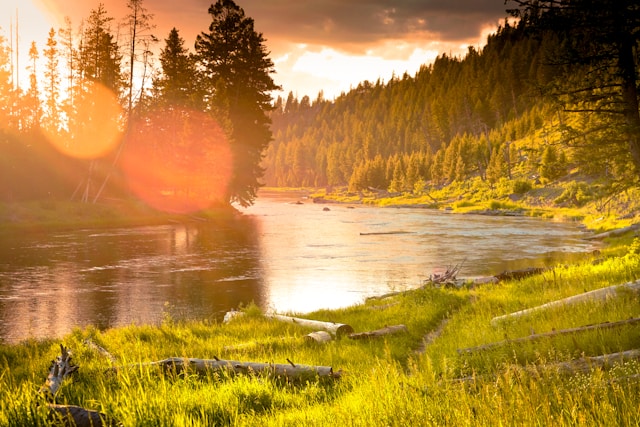
America’s national parks are living classrooms. From desert canyons to old‑growth forests, from geysers to glacial rivers, these protected lands offer profound lessons in geology, ecology, history, culture, and scientific discovery. For students, families, and adventurers of all kinds, national parks provide immersive experiences that deepen our appreciation for the natural world.
In the following article, Valerie Simpson of Fresno explores how the U.S. National Park System can cultivate curiosity, inspire inquiry, and encourage us all to learn from nature.
America’s National Park Legacy
The U.S. National Park System was created to preserve land “unimpaired for the enjoyment of future generations” and to protect natural and cultural resources of national significance. Today, there are 63 official national parks spread across thirty states and two U.S. territories, each with unique landscapes and stories.
Some parks are known for their dramatic vistas, while others offer subtle lessons in ecology and environmental balance. Yet all share a common purpose – to connect people with nature and history.
Visits and Conservation Impact
National parks are tremendously popular. In 2025,323 million recreational visits were recorded across all U.S. national parks while also playing a vital role in conservation by protecting irreplaceable ecosystems, endangered species habitats and cultural heritage sites and serving as important benchmarks for scientific research.
What Parks Teach Us
Geology and Earth History
Walk through a national park and you’re effectively hiking through chapters of Earth’s history.
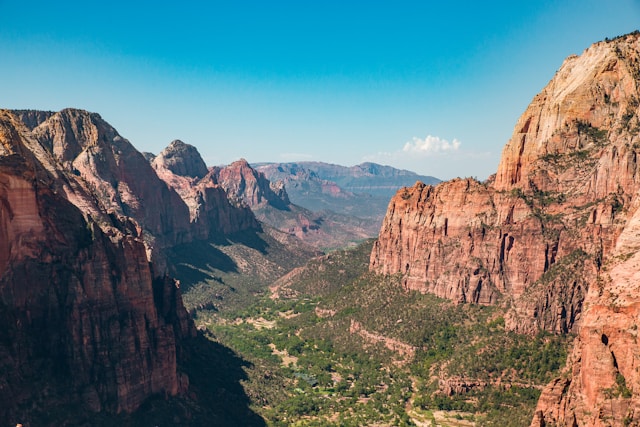
Grand Canyon National Park (Arizona)
At nearly a mile deep, the Grand Canyon exposes more than 2 billion yearsof geological history carved into layers of rock. The walls of the canyon are a textbook in slow time, showing uplift, erosion, sedimentation, and tectonic change. Children and adults alike can explore how natural forces have shaped our planet over eons, with each stratum telling a different geological story.
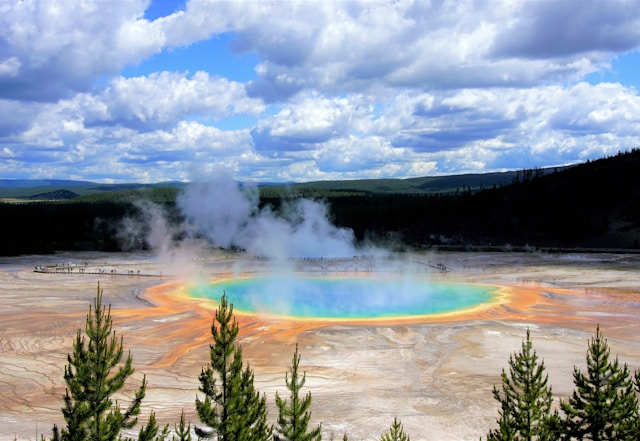
Yellowstone National Park (Wyoming, Montana, Idaho)
Yellowstone is the world’s first national park, established in 1872. It sits atop a volcanic hotspot, and its geysers, hot springs, and mud-pots provide real‑time lessons in geothermal activity and the Earth’s internal heat engine. The park’s famous Old Faithful geyser erupts at predictable intervals, teaching visitors about underground water pressure, mineral deposition, and geothermal ecosystems.
Ecology and Biodiversity
National parks are vibrant laboratories for understanding how living systems interact, offering visitors the chance to observe ecosystems in their natural state, study species relationships, and see firsthand how plants, animals, and landscapes adapt and coexist over time.
Everglades National Park (Florida)
The Everglades is the largest subtropical wilderness in the U.S., where freshwater meets saltwater and diverse plant and animal communities interlock. Here, visitors can observe endangered species such as the Florida panther and the American crocodile, explore wetland food webs, and learn about water management issues affecting both wildlife and human communities.
Great Smoky Mountains National Park (North Carolina & Tennessee)
Known for its rich biodiversity, the Smokies protect more species of salamanders than any other place on Earth. The park’s forests, streams, and ridgelines provide opportunities to study species adaptation, ecological niches, and the impact of climate on living systems.
Cultural and Historical Lessons
National parks also preserve important human histories, from the remnants of ancient civilizations and Indigenous cultures to sites of frontier exploration, colonial settlements, and pivotal moments in America’s social and military history.
Mesa Verde National Park (Colorado)
At Mesa Verde, visitors encounter the cliff dwellings of the Ancestral Puebloans, who built remarkable stone homes in steep canyon walls more than 700 years ago. Guided tours and interpretive exhibits help visitors understand how ancient people lived in challenging environments.
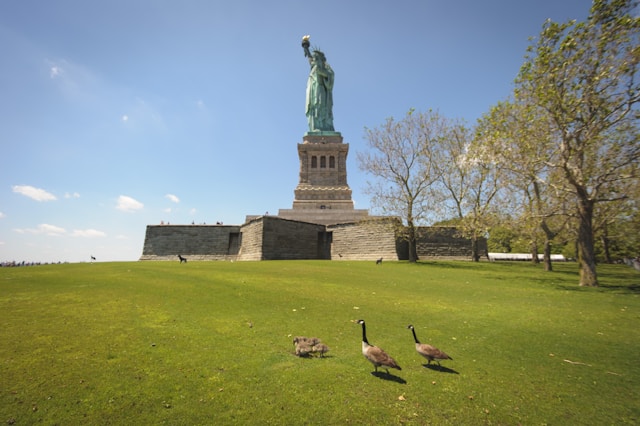
Statue of Liberty National Monument (New York)
The Statue of Liberty and Ellis Island are also part of the National Park System. They offer powerful lessons in immigration, national identity, and social history, reminding visitors that learning from nature isn’t only about wilderness, but also about the human stories tied to our landscapes.
Science in Action
Many parks support scientific research and education partnerships with universities, non-profits, and community groups. These collaborations offer opportunities for field studies, ecological monitoring, wildlife tracking, and environmental restoration projects. At the same time, they provide hands-on learning experiences that engage students and the public in real-world conservation efforts.
Citizen Science and Ranger Programs
National parks often host citizen science initiatives that invite visitors to contribute to real research projects, such as tracking bird migrations, monitoring water quality, and observing plant phenology. Ranger‑led programs further enhance learning with guided hikes, evening talks, and curriculum‑aligned activities for students of all ages.
Junior Ranger Programs
For younger explorers, Junior Ranger programs provide structured opportunities to engage with the parks through activities, workbooks, and badges. These programs reinforce environmental stewardship and encourage active learning.
What to See and Do
Whether your curiosity leans toward biology, geology, history, or environmental policy, there are parks tailored to your interests.
For the Geology Buff
- Arches National Park (Utah): Natural sandstone arches and geological formations make this park a magnificent outdoor geology lab.
- Petrified Forest National Park (Arizona): Explore fossilized trees and ancient sedimentary layers.
For Wildlife Enthusiasts
- Denali National Park (Alaska): See North America’s tallest peak and native wildlife such as grizzly bears and caribou.
- Yellowstone & Grand Teton (Wyoming): Home to wolves, bison, elk, and diverse ecosystems.
For History & Culture Lovers
- Gettysburg National Military Park (Pennsylvania): Delve into Civil War history.
- Canyon de Chelly National Monument (Arizona): Learn about Navajo history and ancient cliff dwellings.
For Marine and Coastal Learning
- Channel Islands National Park (California): A marine environment rich with endemic species and kelp forests.
- Dry Tortugas National Park (Florida): Historic Fort Jefferson and coral reefs offer both marine science and historical lessons.
Tips for Meaningful Park Visits
To turn any national park visit into a learning adventure:
Plan Ahead
Research park themes and educational offerings before you go. Many have downloadable guides, curricula, maps, and mobile apps that enhance self‑guided learning.
Engage with Rangers and Programs
Attend ranger talks, guided walks, and structuted programs where available. These experiences often uncover insights you might miss on your own.
Document Your Learning
Keep a nature journal or take photographs with notes. These practices reinforce observation skills, deepen your personal connection to what you’re learning, and can also be compiled into a memorable album that captures your discoveries and experiences over time.
Respect Park Rules and Wildlife
Learning also includes understanding conservation ethics. Visitors should practice ‘Leave No Trace’ principles, keep a safe distance from wildlife, and follow all posted guidelines. Beyond these basics, ethical engagement means respecting fragile habitats, minimizing human impact, and appreciating that the preservation of these landscapes and species ensures that future generations can continue to learn from and enjoy them.
Why National Parks Matter
National parks are spaces where wonder and knowledge intersect. They preserve natural processes, protect biodiversity, and chronicle human history. They teach us to observe, to ask questions, and to think critically about the world we inhabit.
In a world dominated by screens, national parks remind us that the natural world remains one of the most powerful and accessible classrooms for curious minds.