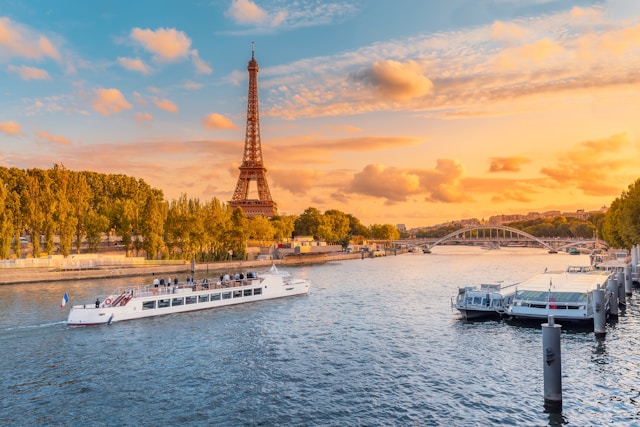
The world’s most famous capital city, Paris, France, dazzles with a unique fusion of history, art, and architectural brilliance. Its streets echo centuries of revolution, royal legacy, and cultural innovation. In 2024, the city prepared to enter a new chapter of global significance as it readied itself to host the Summer Olympics, blending sport with its timeless cultural allure. In the following article, Valerie Simpson of Fresno reflects on her visit to the Olympic host city, sharing insights into the rich tapestry of history, art, and culture in Paris.
A City Shaped by Centuries
Paris’s history stretches back over two millennia, shaped by the Romans, medieval kings, and modern political revolutions. One of the best starting points for exploration is the Île de la Cité, the historic heart of the city. This area offers a glimpse of medieval Paris through its narrow streets, gothic cathedrals, and centuries-old public spaces.
Notre-Dame Cathedral
The famous Notre-Dame Cathedral, with its soaring Gothic architecture, intricate sculptures, and stained glass, is a remarkable example of medieval design. Visitors can learn about the city’s religious and architectural history while marveling at the exquisite craftsmanship preserved through centuries of restoration.
Sainte-Chapelle
Just a short walk away, Sainte-Chapelle is renowned for its stunning stained-glass windows depicting biblical stories. This gem of Gothic architecture offers an immersive lesson in both religious art and the evolution of Parisian architecture.
Iconic Architecture Across Paris
From historic palaces to modern landmarks, Paris presents a living showcase of architectural innovation.
The Louvre and the Palais Royal
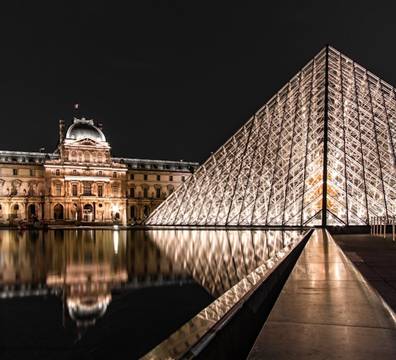
The Louvre Museum is a historic palace that has witnessed centuries of royal and political change, evolving from a medieval fortress into one of the world’s most renowned art institutions.
Inside, visitors encounter masterpieces from the Mona Lisa to ancient Egyptian artifacts, each telling a story of artistic, cultural, and historical significance. Just steps away, the Palais Royal, with its manicured gardens, elegant arcades, and iconic black-and-white striped columns, exemplifies 17th century urban planning at its finest.
Exploring these spaces highlights the interplay between public life, culture, and civic design, revealing how architecture shapes social interaction and the collective identity of a city.
Contemporary Paris
Modern neighborhoods like La Défense showcase a striking contrast to the city’s historic heart. Towering skyscrapers, dynamic public art installations, and innovative green spaces demonstrate how contemporary architecture interacts with a centuries-old urban fabric.
Beyond their aesthetic appeal, these spaces reflect the city’s commitment to sustainable development, functional public areas, and forward-thinking infrastructure. Walking through La Défense, visitors can see how modern Paris balances economic growth, environmental responsibility, and cultural expression, making it a living example of a city that honors its past while embracing the future.
Paris in Motion
In 2024, the city underwent a transformation that was as much cultural and sensory as it was architectural and logistical. Months before the Olympic Games officially began, the streets, public spaces, and riverbanks across the capital buzzed with anticipation, preparation, and palpable momentum.
Paris’s Olympic preparations weren’t just about new sports venues; they reimagined the city as a global stage where history, urban life, and international celebration converged. The city’s traditional charm was juxtaposed with modern infrastructure upgrades, public art, and pop‑up fan zones that hinted at the global festival to come.
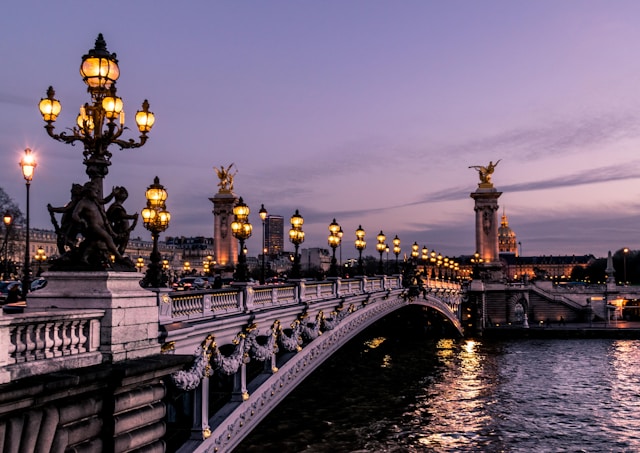
One of the most striking changes was the integration of the River Seine into the Olympic experience, something unprecedented for the Games. Paris planned to host swimming marathons and triathlon events right in the Seine itself, while the dramatic opening ceremony showcased athletes parading along a 6‑kilometer stretch of the river past landmarks like the Louvre, Notre‑Dame, and Place de la Concorde.
The atmosphere around town was electric. In areas like the Parc des Nations, festival‑style fan hubs and international pavilions brought live music, vibrant cultural displays, and culinary experiences from around the world.
Daily life also took on an Olympic rhythm. Renovated public spaces, refreshed façades, and temporary pedestrian zones gave parts of the city a more polished look – a testament to the substantial investment Paris put into preparing for the world stage.
Public transportation and city infrastructure also began working overtime. While Paris’s transport network faced challenges keeping up with demand ahead of the Games, upgrades to metro lines and connections to Olympic venues helped manage the flow of international visitors. As the Olympic energy infused Paris with excitement and global connection, the city’s rich cultural fabric continued to shine in more everyday ways.
Learning by Doing in Paris
The city is home to dozens of museums, libraries, and cultural centers where learning goes beyond textbooks.
Must-Visit Museums
- Musée d’Orsay – Houses an impressive collection of Impressionist and post-Impressionist art, perfect for understanding the evolution of modern artistic movements.
- Musée Rodin – Explores the life and works of sculptor Auguste Rodin, blending art, history, and philosophy.
- Centre Pompidou – A hub for contemporary art and design, offering exhibitions and educational workshops that encourage critical engagement with modern culture.
Public Spaces as Classrooms
Public squares like Place des Vosges and Place de la Concorde showcase Paris’s urban history, from royal residences to revolutionary events. By wandering through these spaces, visitors witness how architecture and public life intertwine, creating a tactile learning experience.
Experiential Learning Opportunities
Paris offers immersive ways to engage with history and culture beyond traditional museum visits.
Guided Walking Tours
Tours focusing on pivotal moments in the past, such as the French Revolution, the Belle Époque, or the city’s evolving street art scene, offer an immersive way to experience the capital’s rich historical and cultural layers. Long before the Olympics came to town, visitors could join guided excursions that trace revolutionary footsteps from Place de la Concorde to the Palais Royal, bringing to life the clashes and ideas that shaped modern France.
Similarly, Belle Époque‑themed walks allow travelers to step into the Paris of the late 19th and early 20th centuries, exploring neighborhoods and landmarks that evoke the era of artistic innovation, technological progress, and cultural flair.
These tours make it possible to feel history underfoot while imagining the voices and movements that once animated these very streets.
Culinary Culture as History
Parisian cuisine tells a story of trade, migration, and tradition, offering more than just a taste of the city, it’s a window into its social and cultural history. Sampling buttery croissants and delicate pastries at historic cafés like Café de Flore or Les Deux Magots allows visitors to savor recipes that have endured for centuries.
Exploring bustling markets such as Marché d’Aligre or Marché des Enfants Rouges provides insight into the city’s culinary diversity, showcasing fresh produce, cheeses, charcuterie, and international flavors brought by generations of migrants.
Cooking classes, food tours, and tastings offer hands-on experiences, letting travelers learn the techniques behind iconic dishes like coq au vin, ratatouille, and crème brûlée, while connecting each bite to the stories, people, and traditions that shaped Paris’s gastronomic identity.
Academic Events and Public Lectures
Paris is also home to several prestigious universities such as Sorbonne University and Sciences Po, which host public lectures, exhibitions, and events. Visitors interested in deeper cultural engagement can attend these programs to experience contemporary French academic life and a bit of intellectual discourse.
Preparing for Your Paris Visit
To make the most of your trip, consider the following tips:
Plan Ahead: Book accommodations, tours, and popular attractions in advance to secure the best options and avoid long lines.
Use Public Transport: Paris’s metro, buses, and regional trains provide quick and convenient access to both iconic landmarks and a few hidden gems.
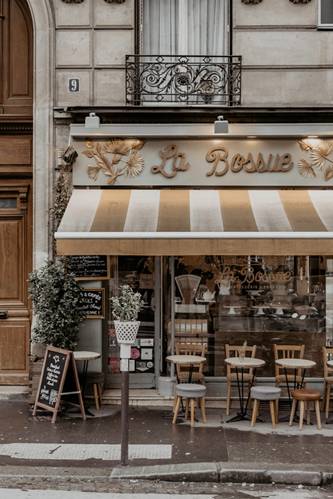
Mix Activities: Alternate museum visits with walks through historic neighborhoods, gardens, and public squares to fully experience the city’s atmosphere. Along the way, be sure to grab a quick bite or a coffee at a local café – these pauses offer a taste of Parisian life and a chance to recharge before your next adventure.
Embrace Flexibility: Leave room for spontaneous discoveries, whether it’s a local café, street performance, or boutique gallery, which often become the most memorable parts of your visit.
Paris as a Living Classroom
Paris isn’t just a city to see; it’s a city to learn from. Its architecture tells stories of empire, revolution, and innovation; its museums house art and artifacts spanning centuries; and its public spaces invite visitors to witness history firsthand. With millions of visitors each year and an abundance of historical and cultural sites, Paris exemplifies how a city can educate through tangible experiences.
Even if you missed the city during the Olympics, Paris always has something new to see, explore, and discover. Each visit offers fresh experiences that blend history, culture, and modern vibrancy, ensuring that every trip leaves lasting memories.